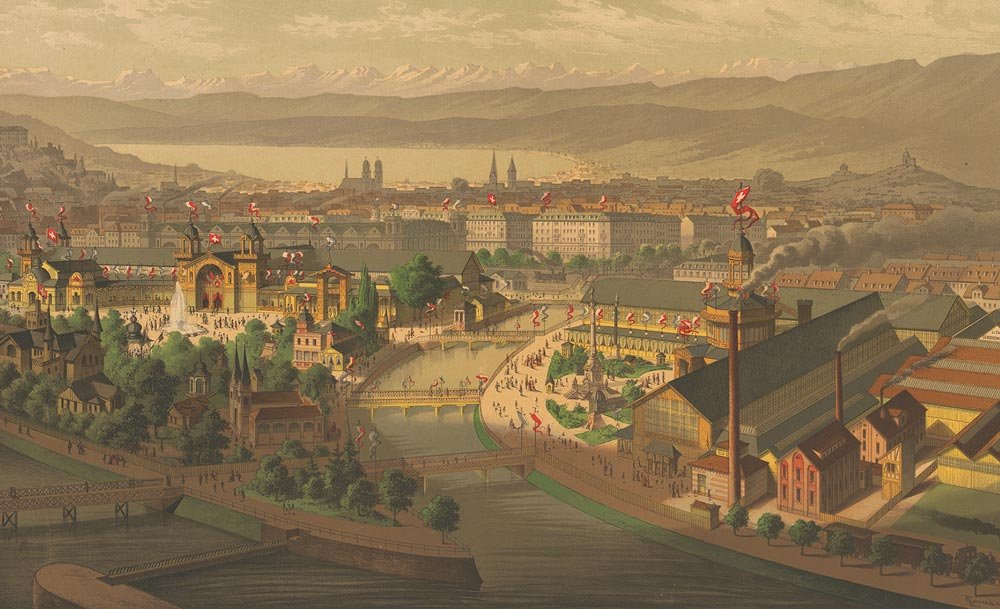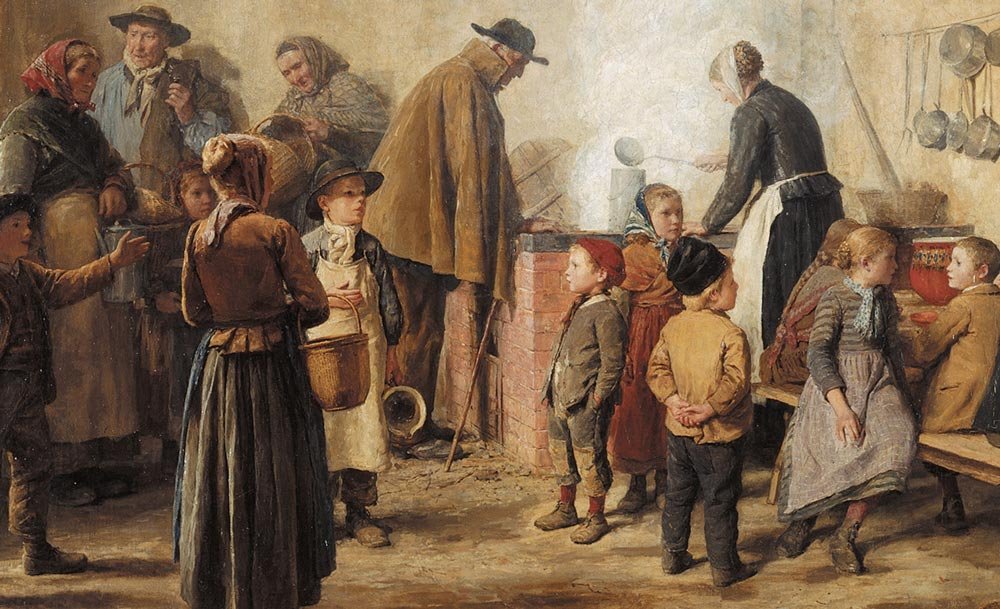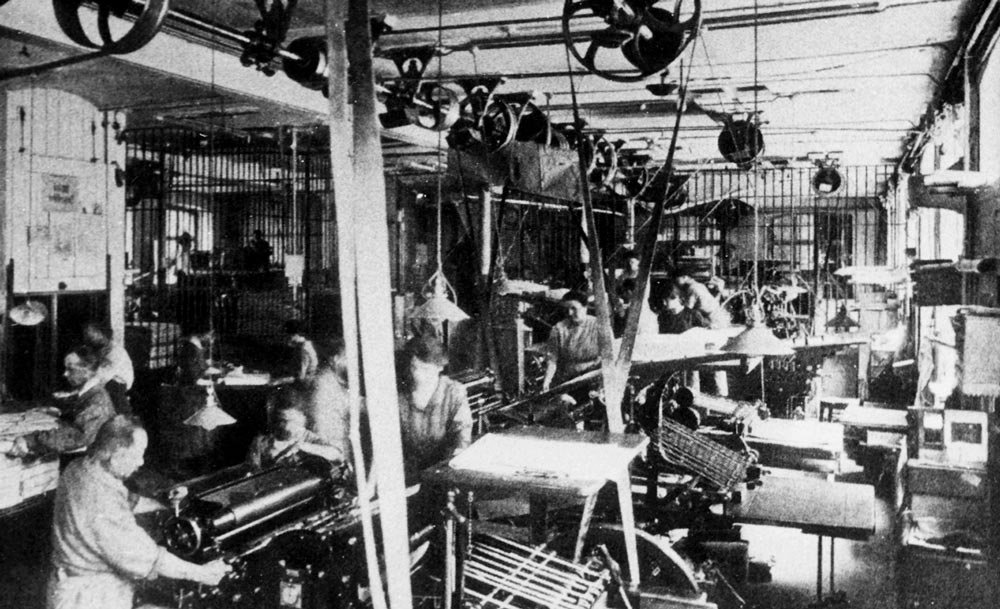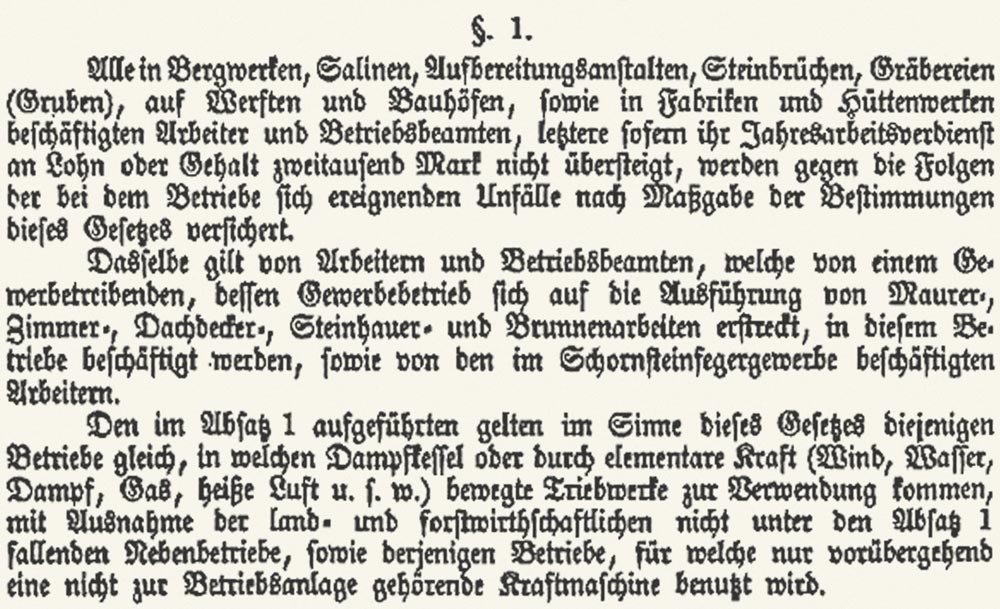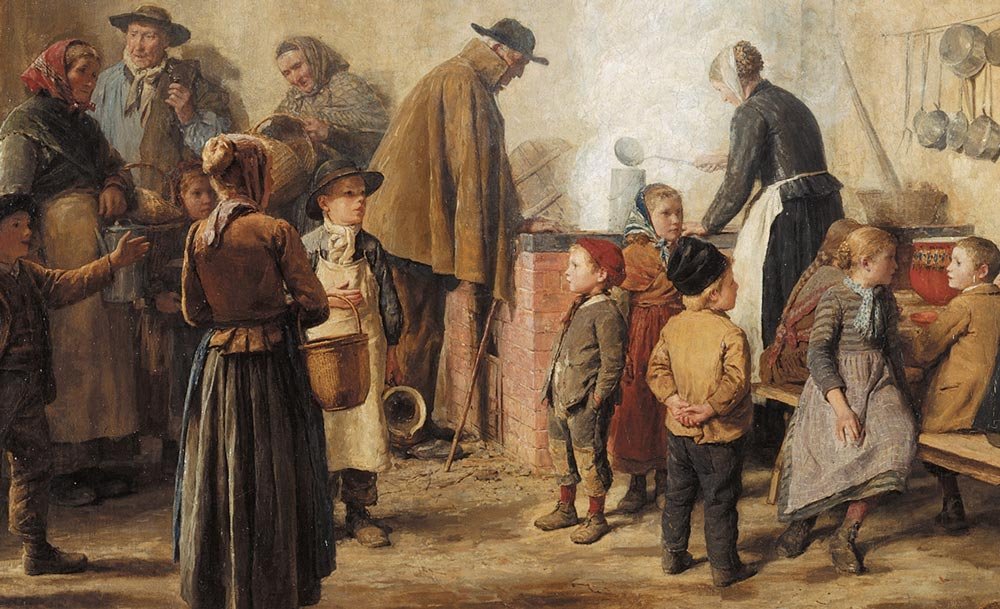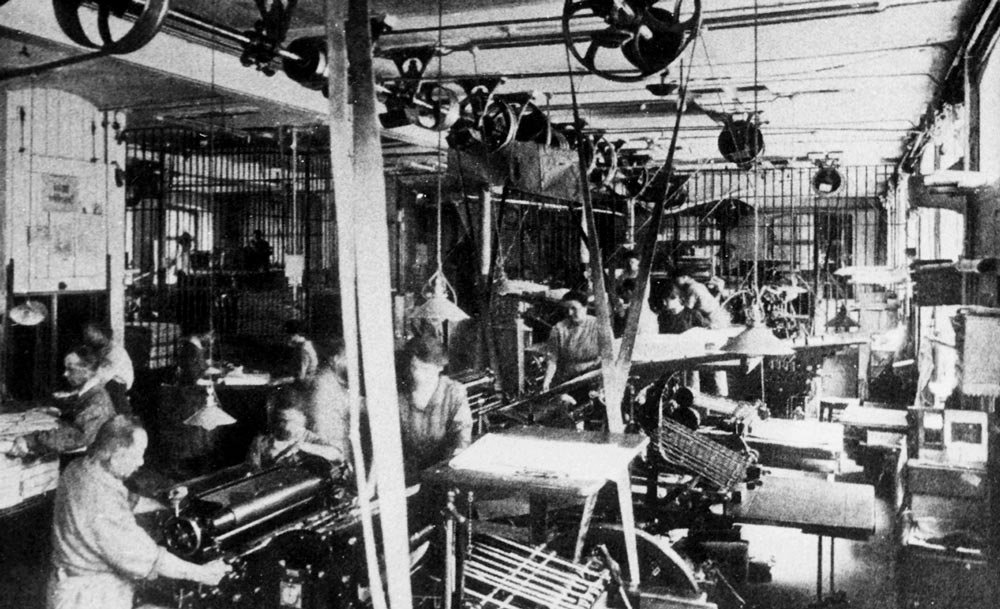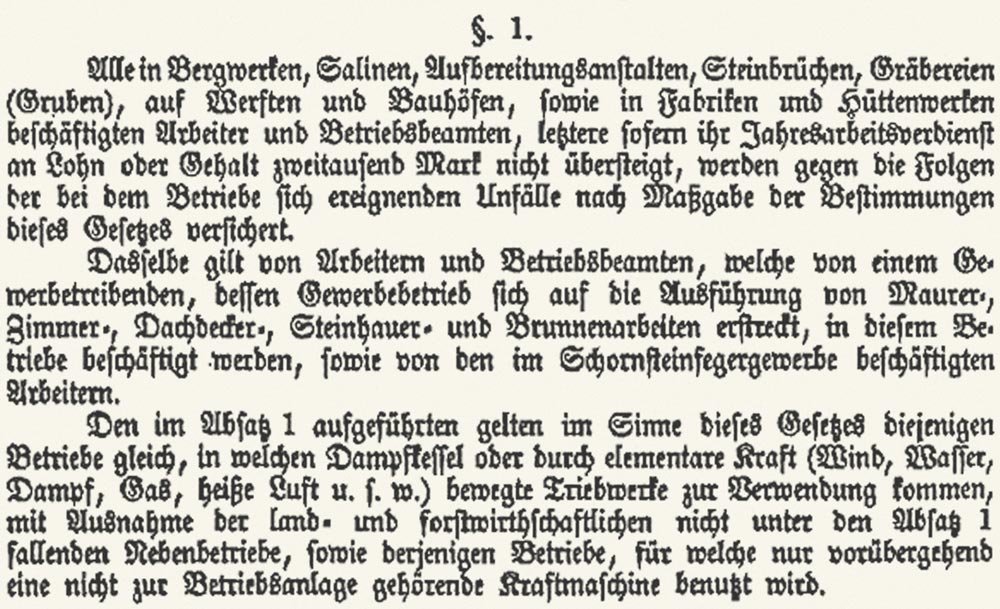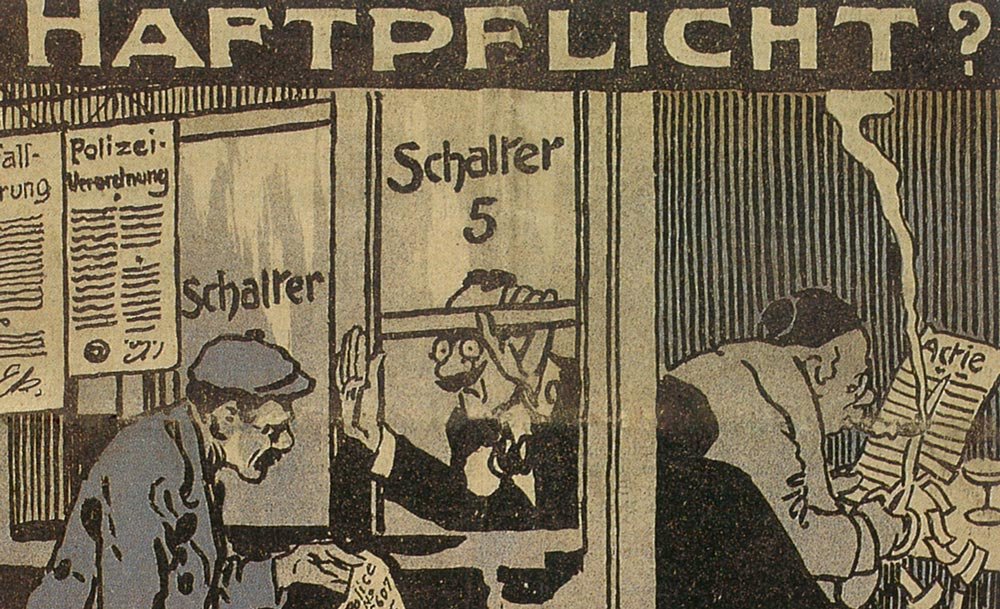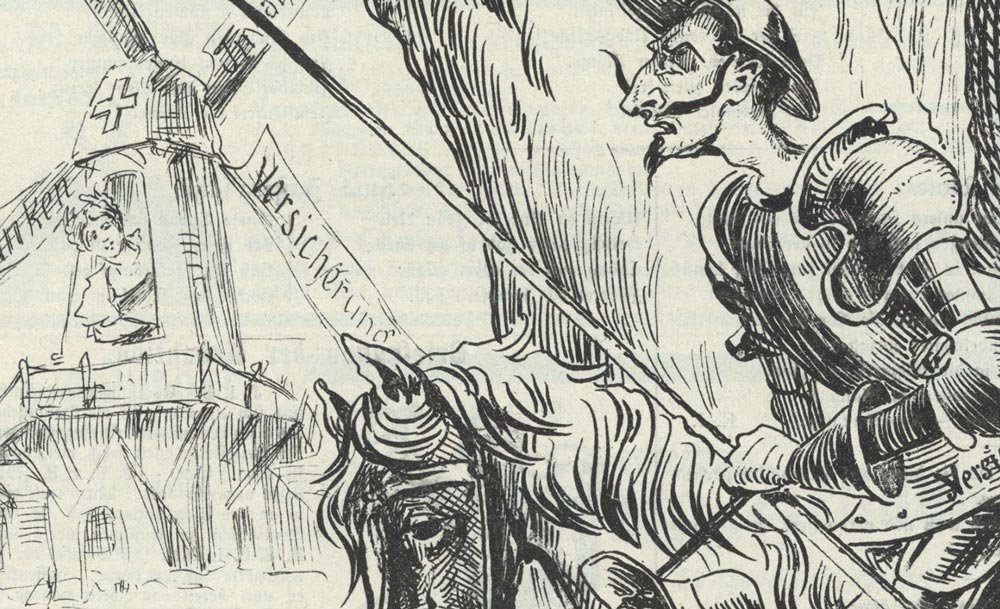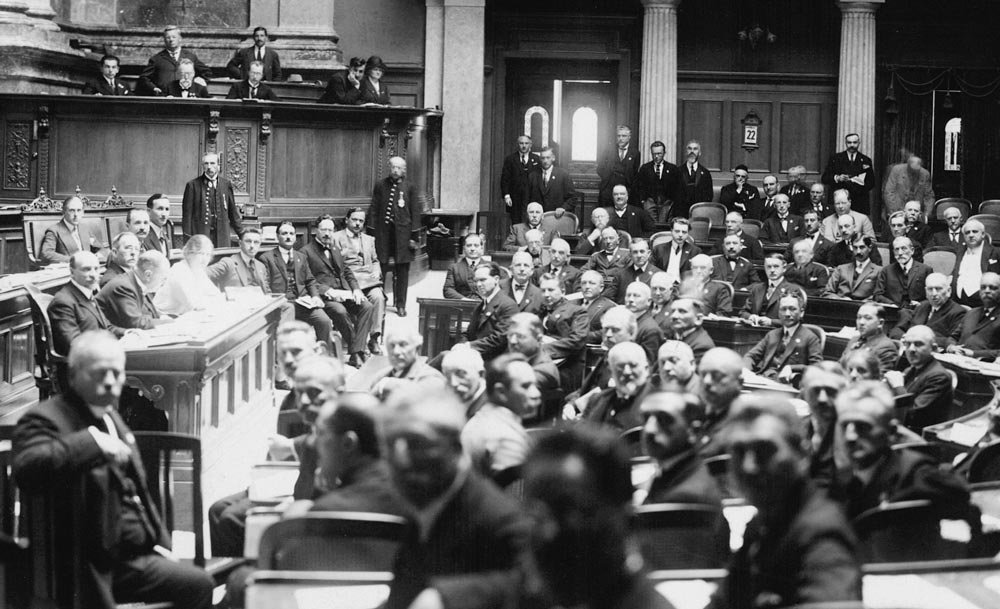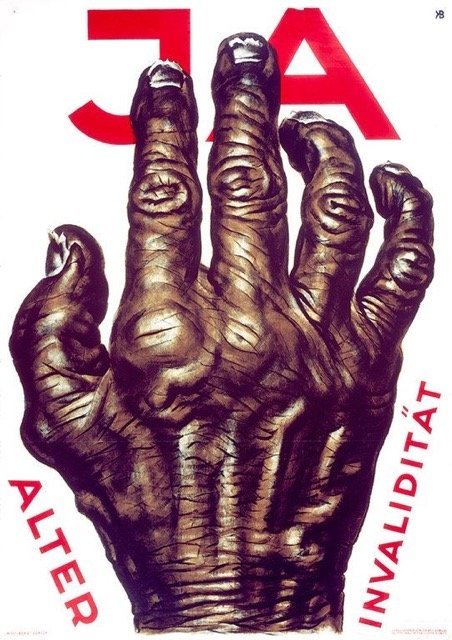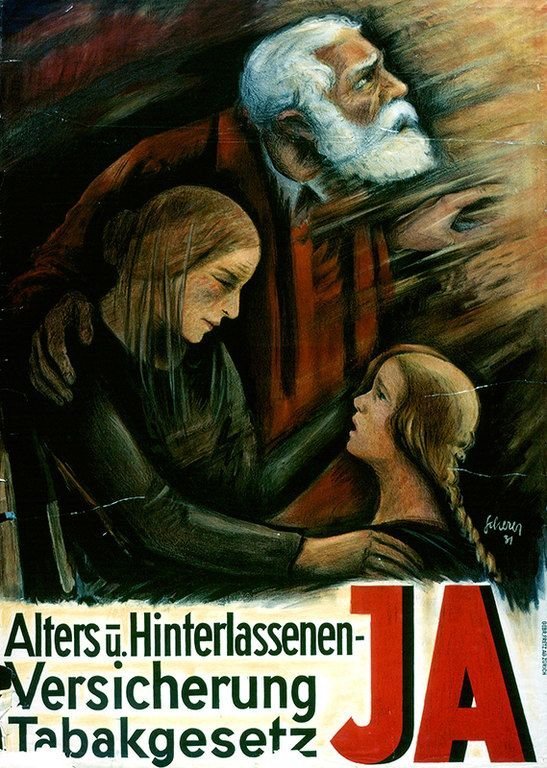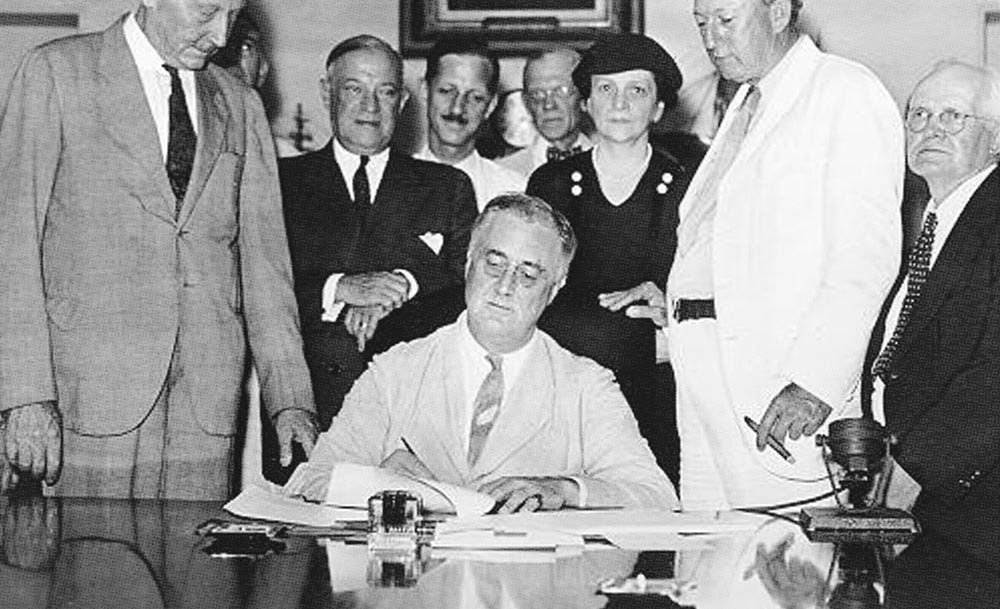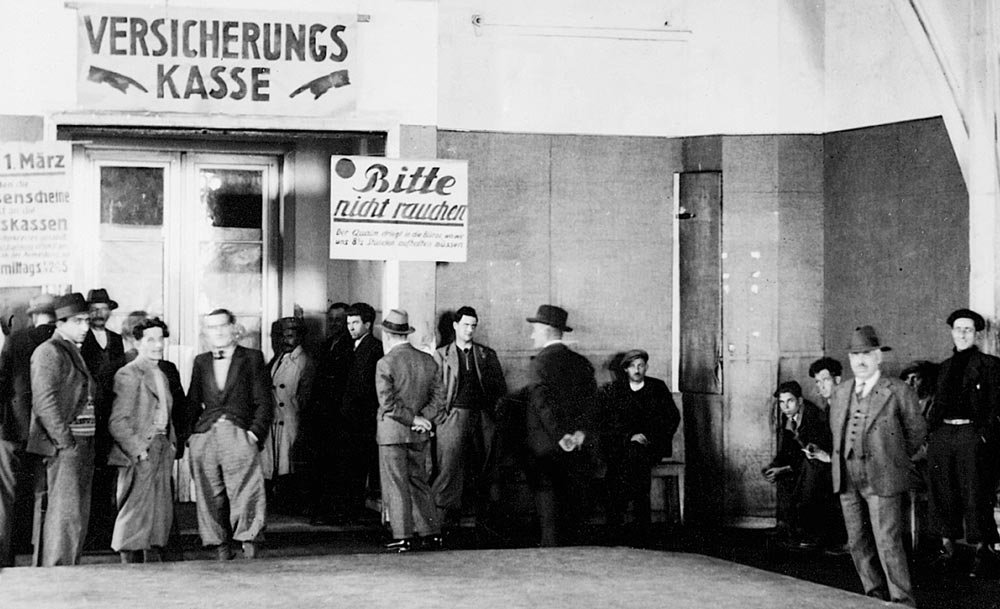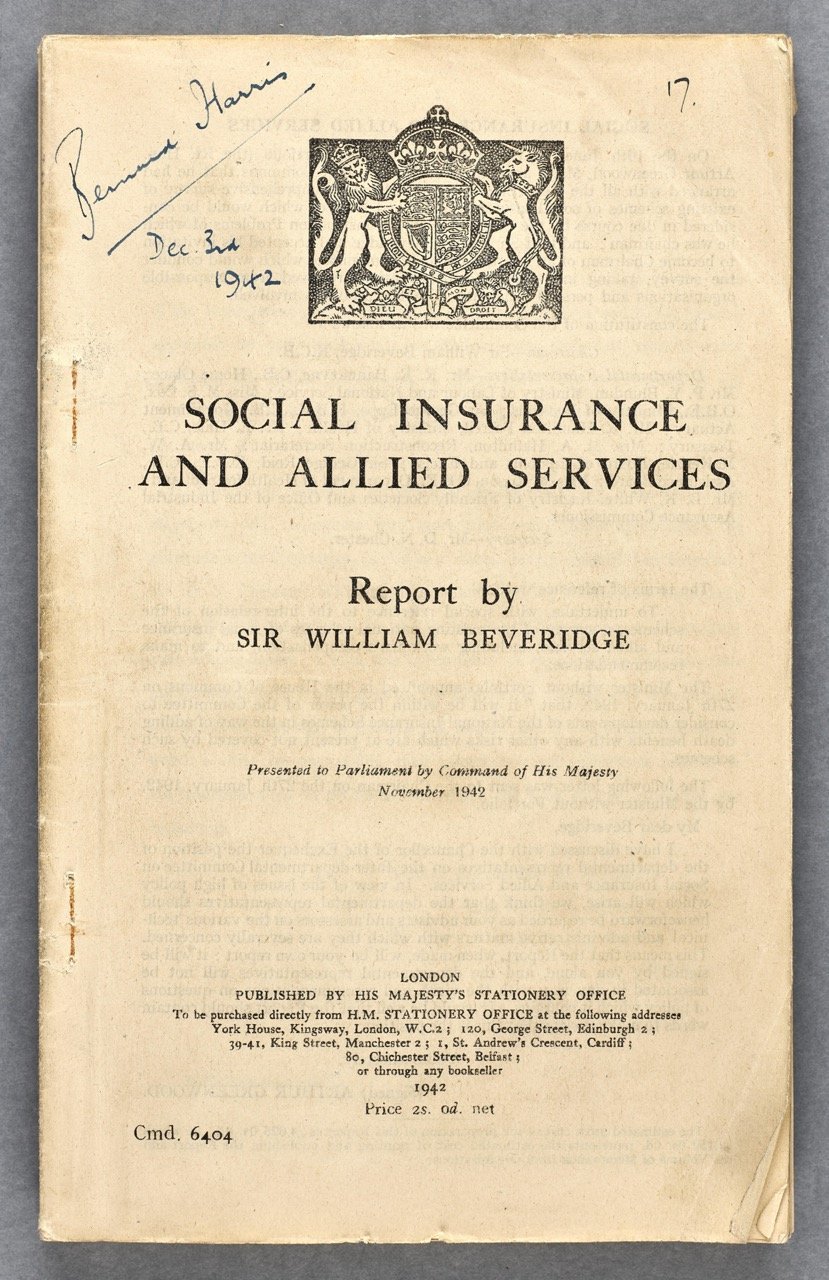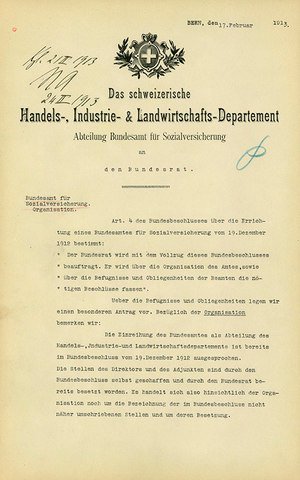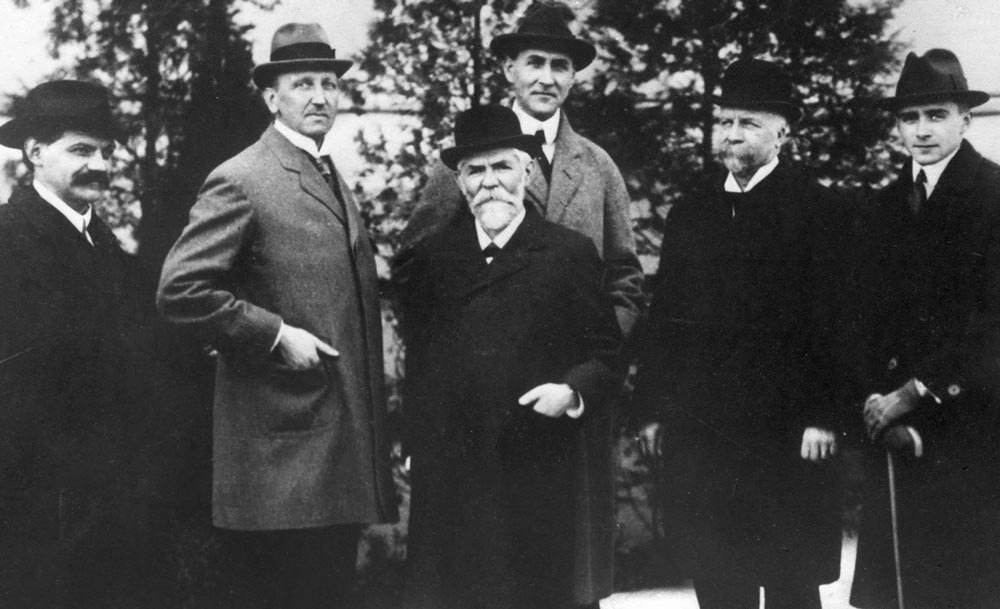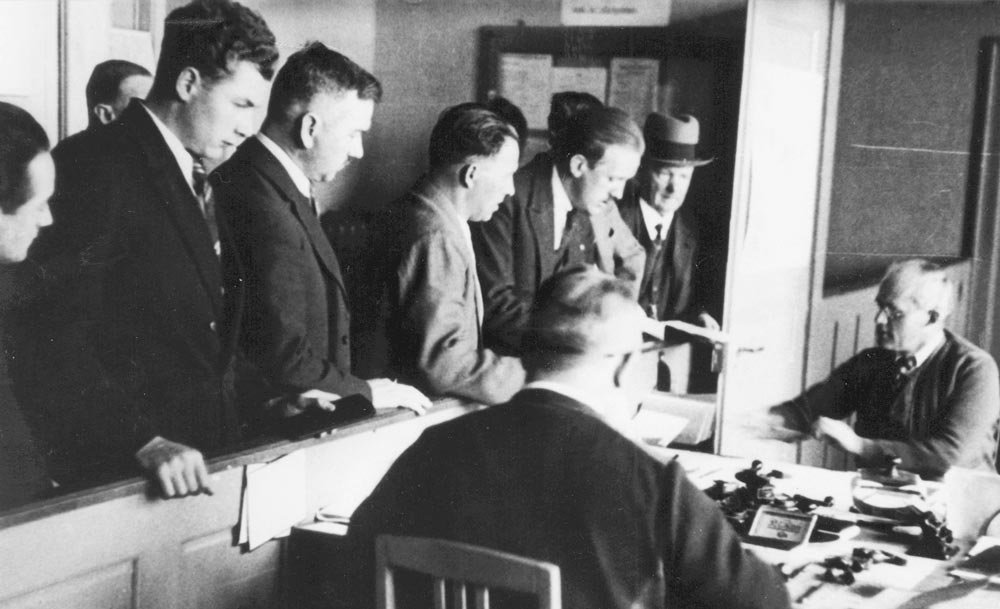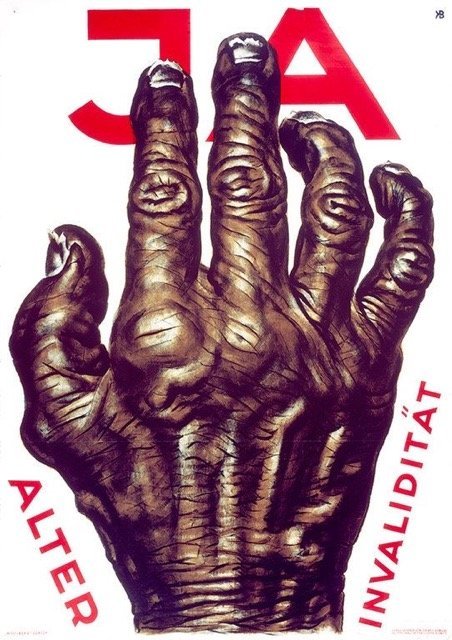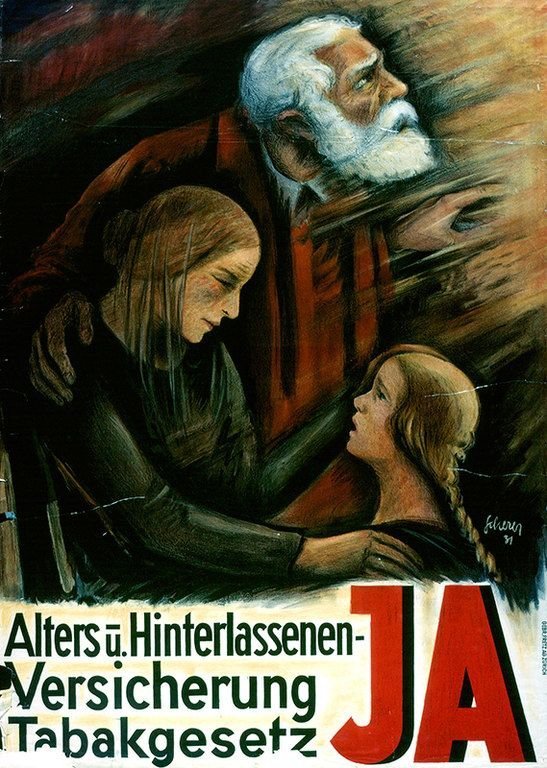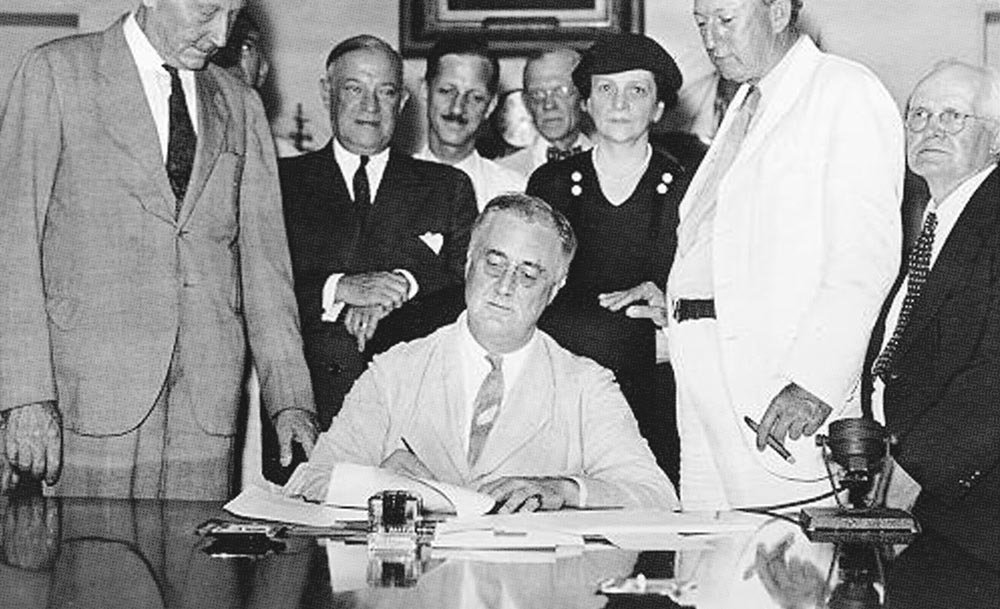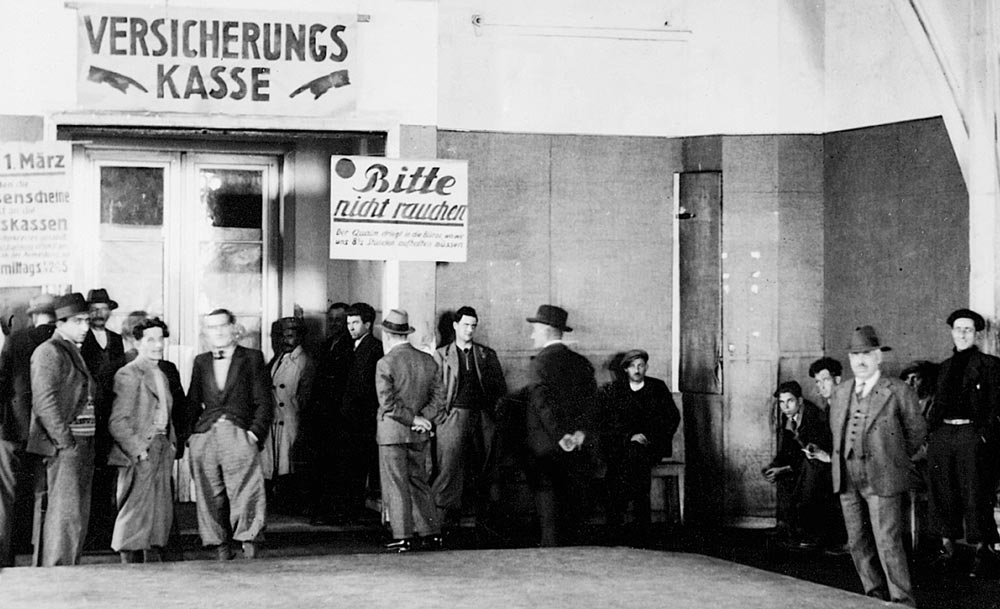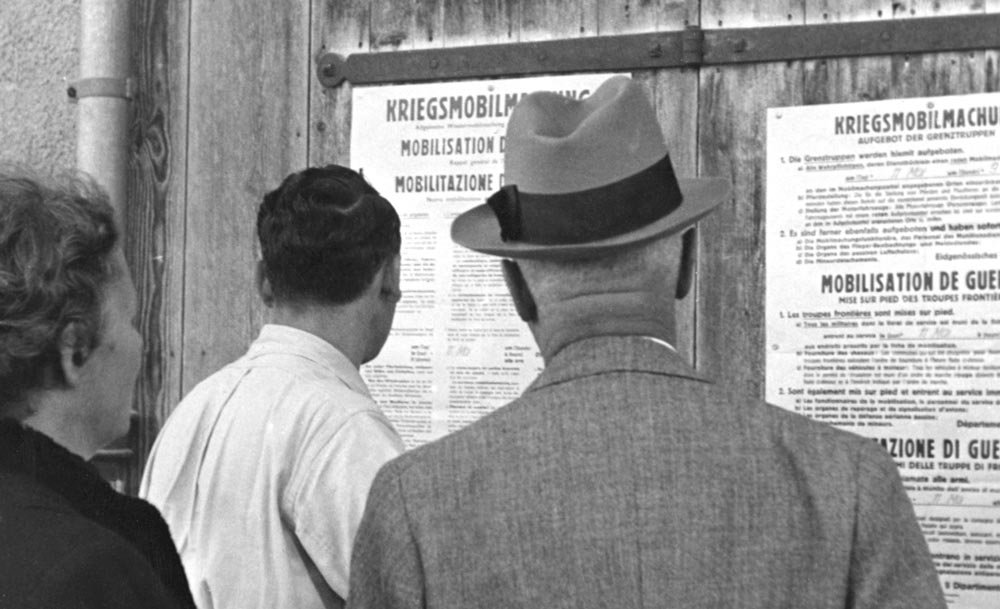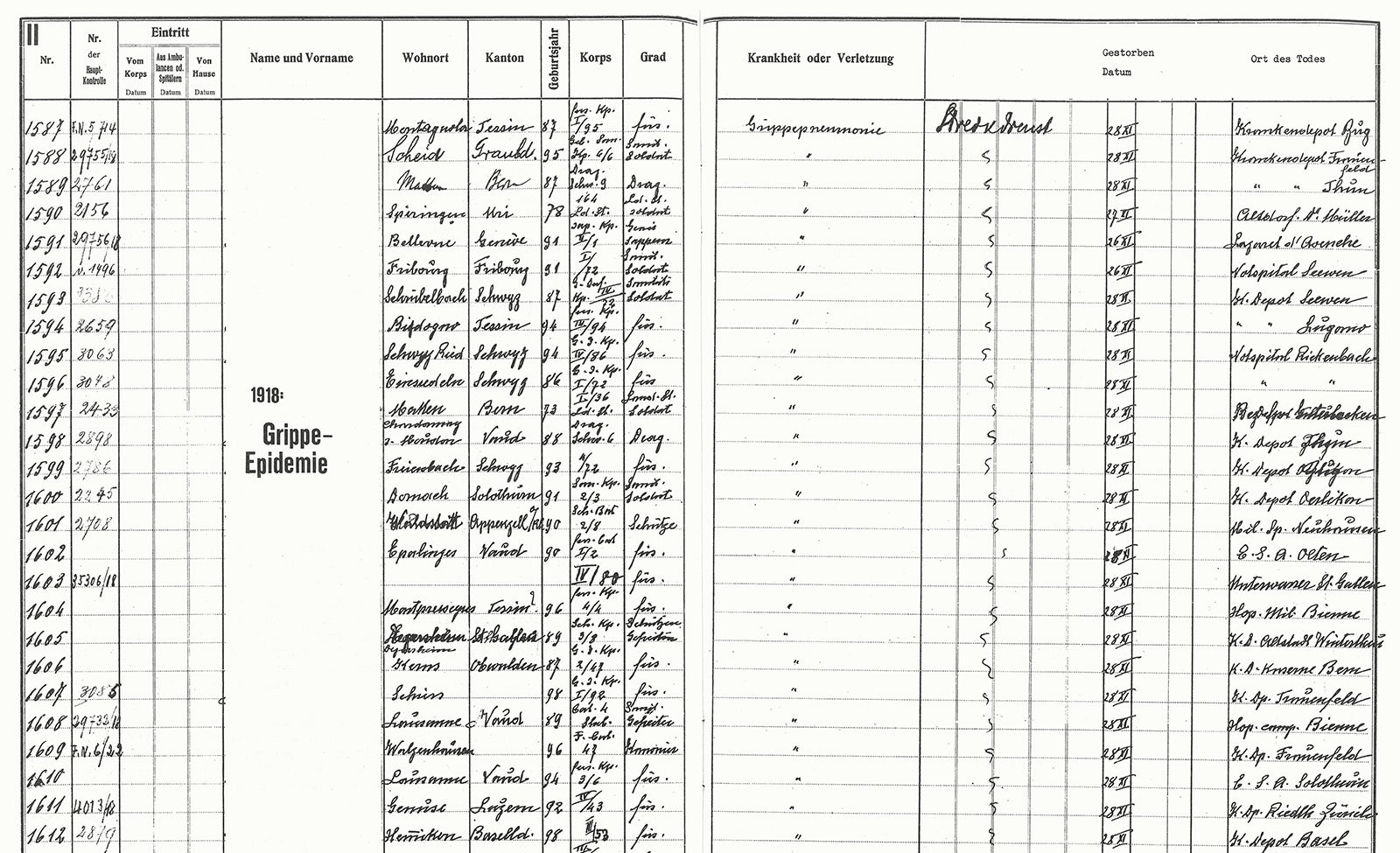
Today's welfare state is the product of a long history, dating back to the mid-19th century. Depending on the risk, various social security institutions were created.
Read more
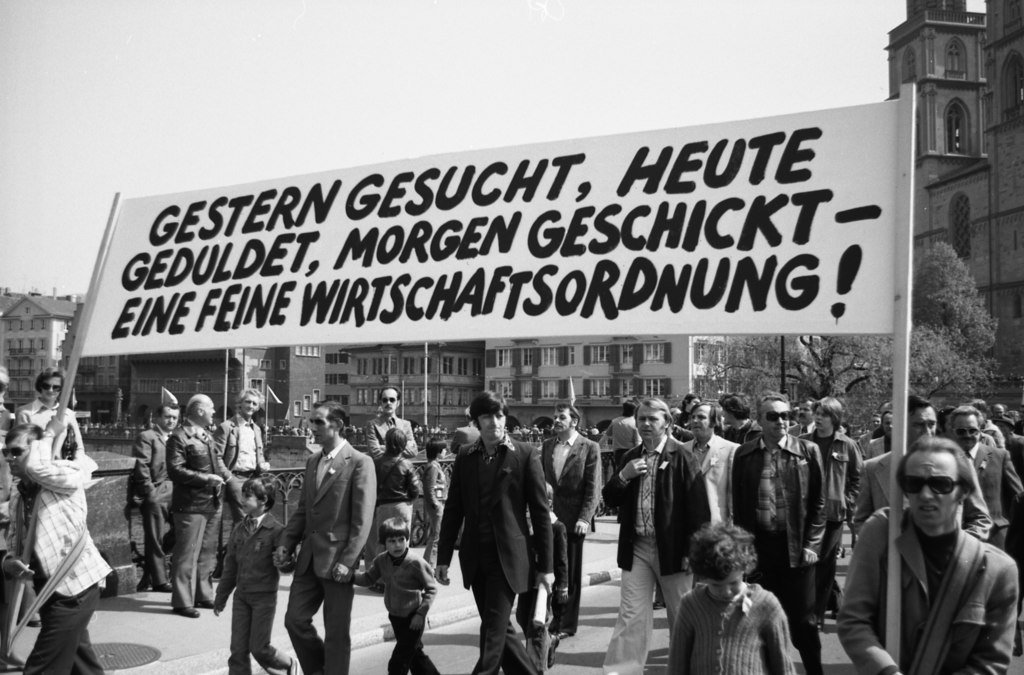
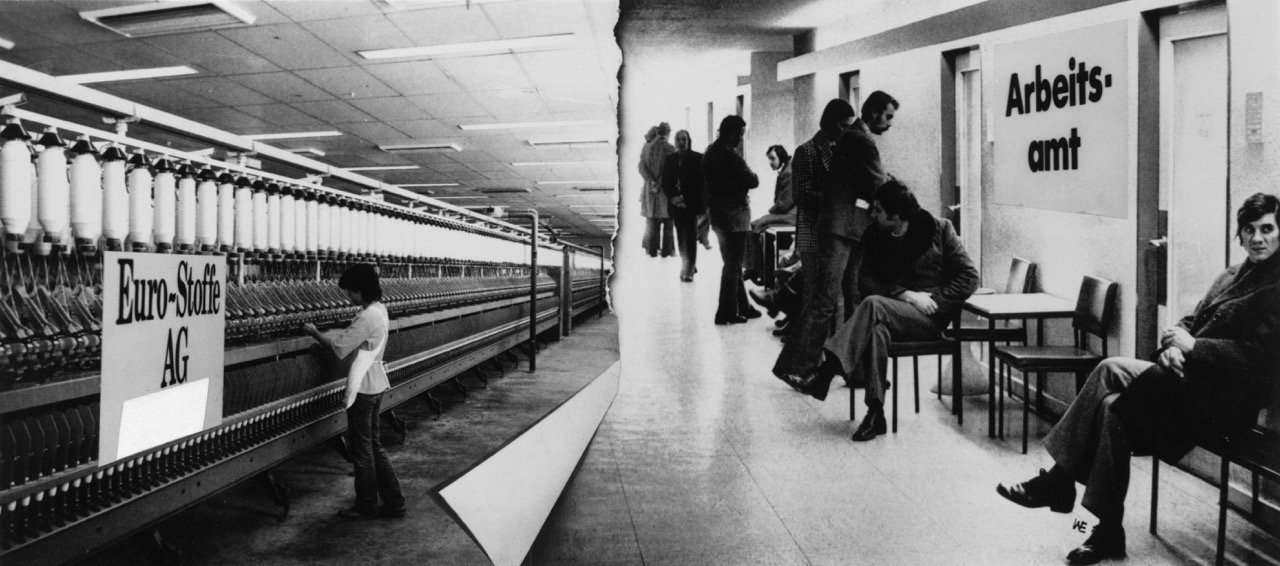
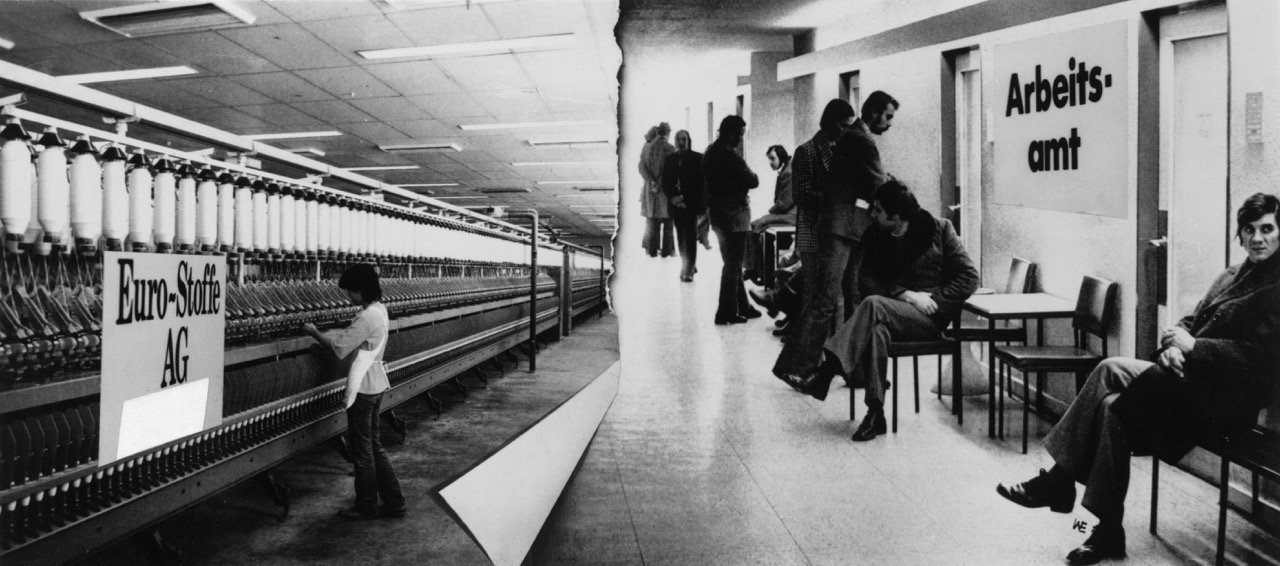
In response to the recession of 1974/1975 Switzerland introduced a nationwide obligation for unemployment insurance. However, its implementation was a long drawn-out affair. A definitive solution was only fully implemented in 1984.
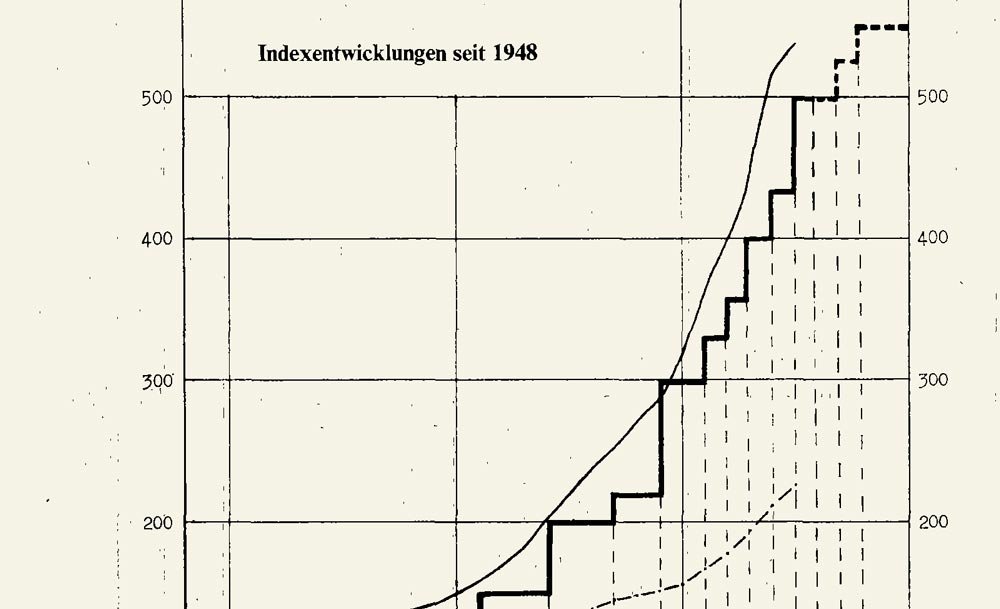
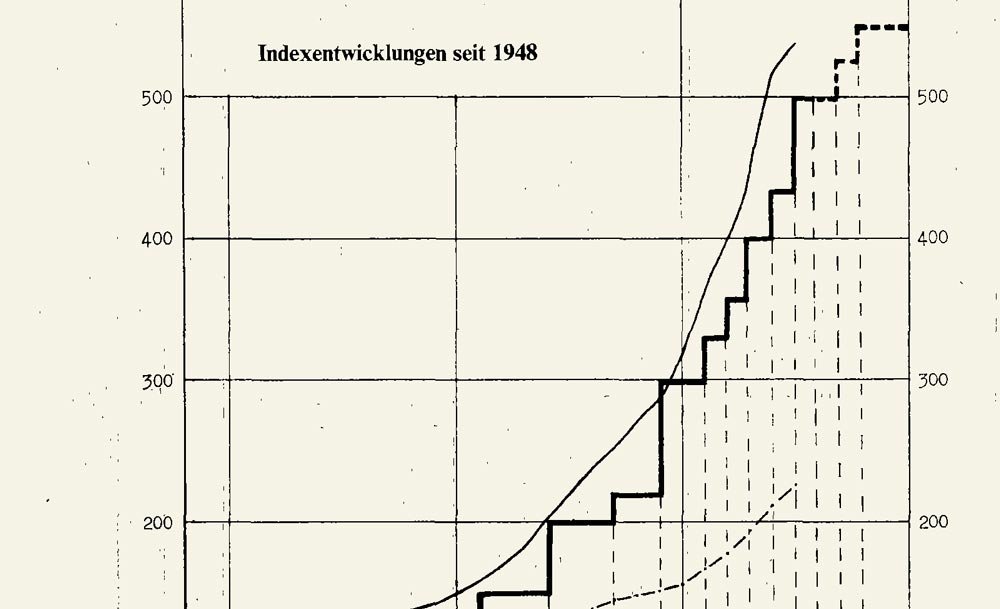
During the years of economic growth, high inflation reduced the value of AHV pensions and forced politicians to adjust pension amounts at irregular intervals. The 9 AHV revision of 1979 provided a new system: Pensions were now automatically adjusted to annual wage and price trends.
The state accident insurance was revised for the first time in 1984. The insurance coverage was then extended to all employees. Suva also faced new competition from the insurance market. Private insurers could thus participate in the mandatory accident insurance.
In 1972, the three-pillar principle of pension provision became enshrined in the constitution, declaring occupational provision mandatory. The article was only implemented in 1985. Pension funds were also reformed, though to a much more modest extent than originally intended.
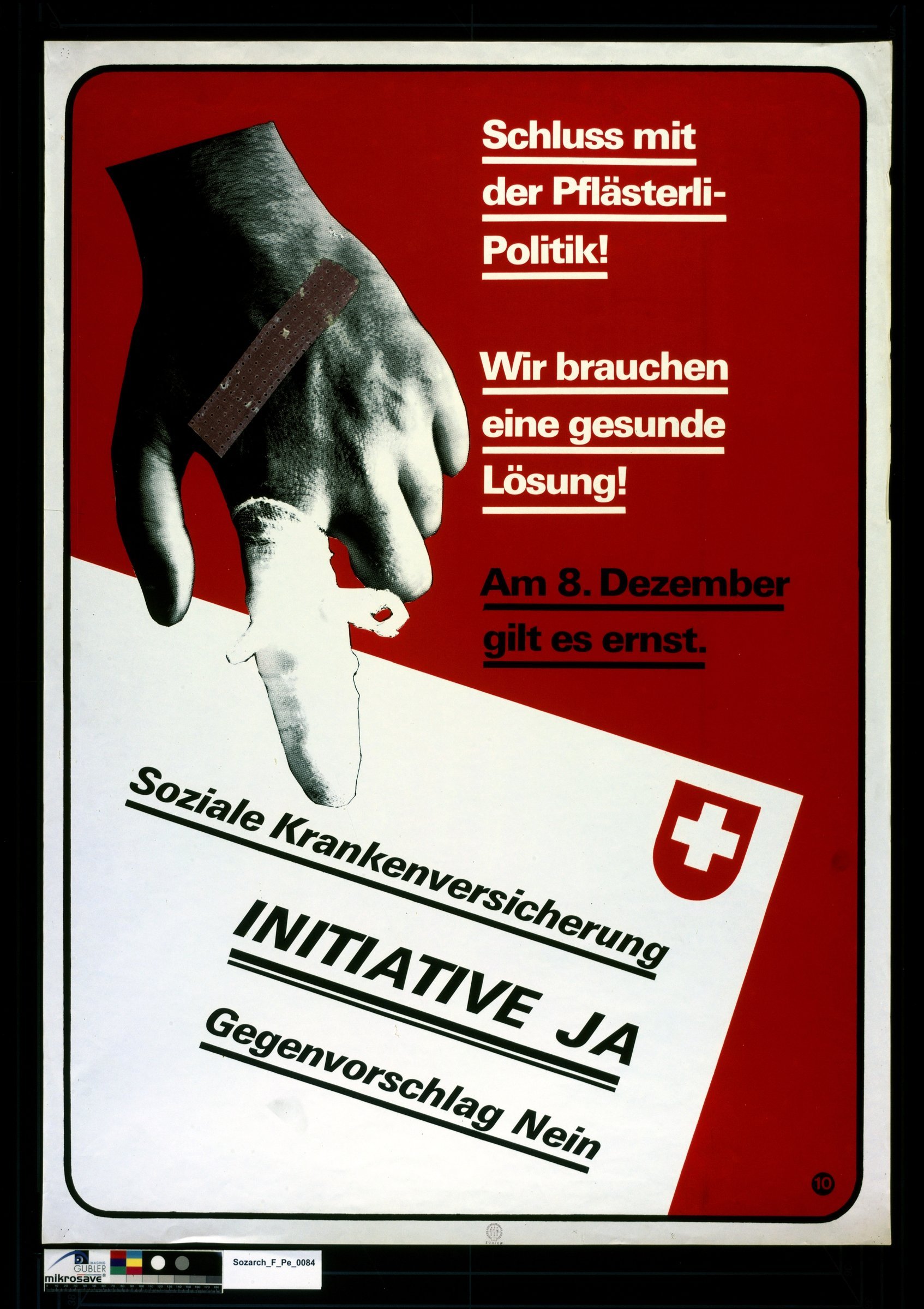
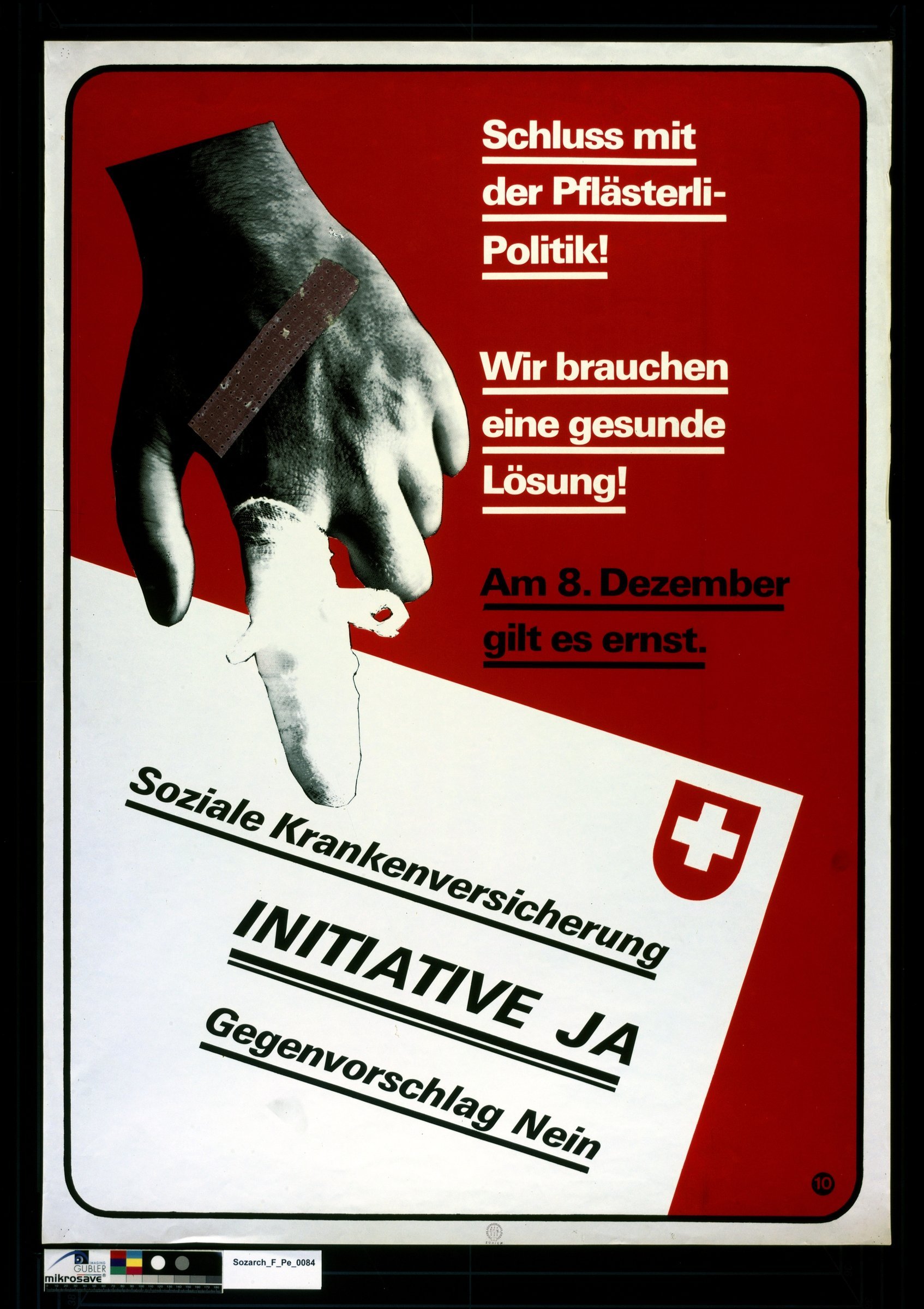
Following the failed health insurance reform of 1974, the Federal Council and Parliament made another attempt in the 1980s to curb rising health costs. However, the partial revision of the Health Insurance Act was rejected decisively in a referendum in 1987.
In the 1990s, the term ‘Aktivierung’ or ‘Activation’ became the main idea behind new social policy. The unemployed and people with disabilities were to gain greater personal responsibility through active social policy measures. The hope to save costs was thus combined with a contribution to restructuring unemployment and disability insurance.
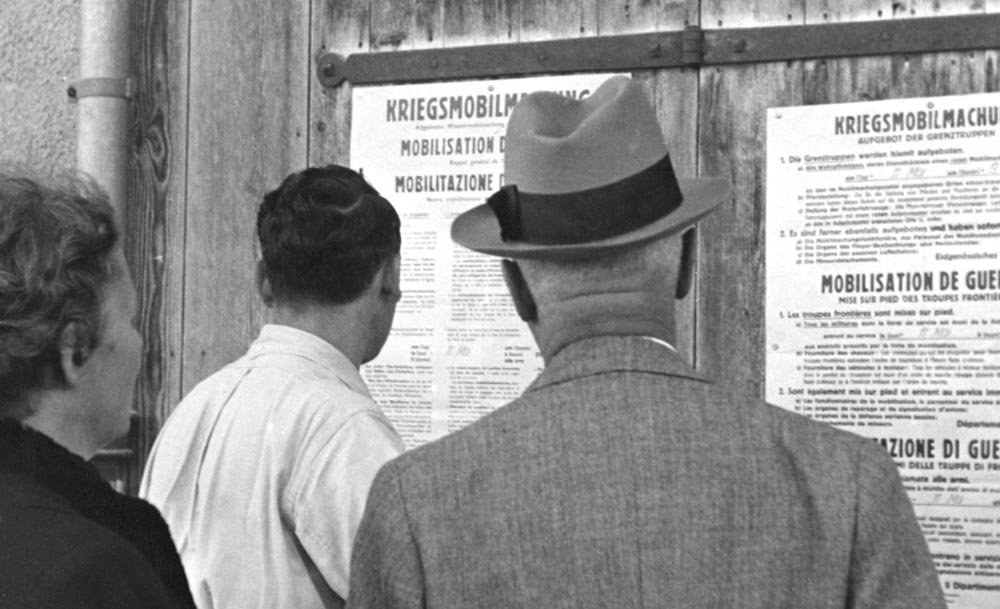
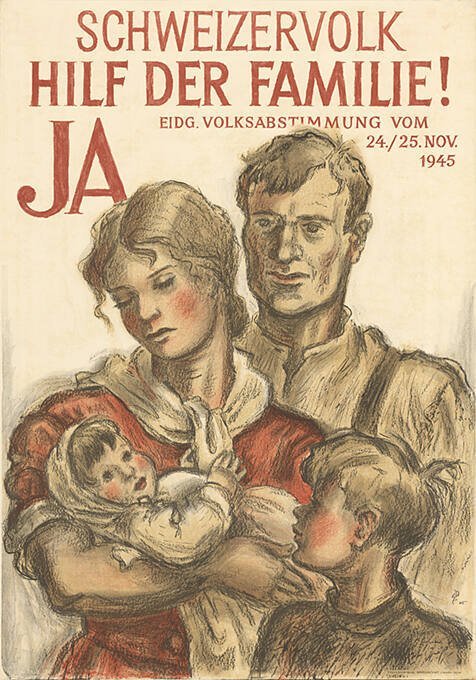
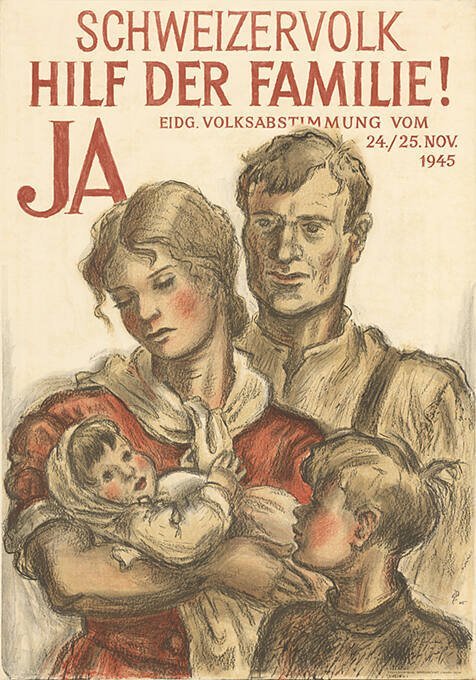
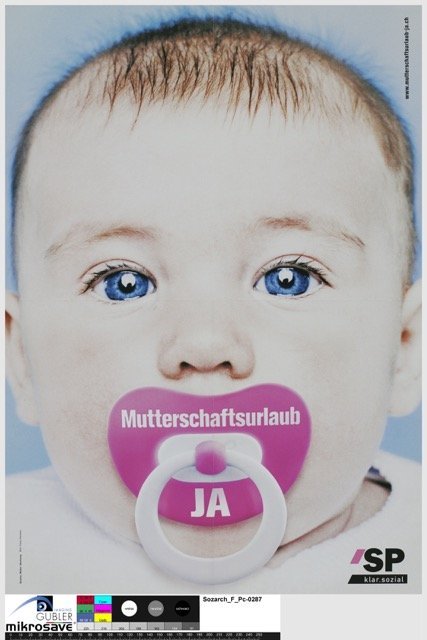
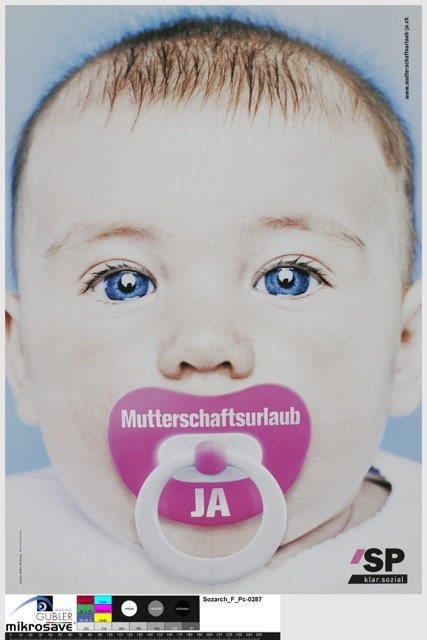
Maternity insurance had been a topic of debate since the 1920s and a constitutional obligation since 1945. However, funding concerns proved hard to dispel. In fact, the breakthrough did not come until 2004, when it was decided that maternity benefits would be financed as part of the military income compensation scheme.
Family allowances were nothing new. However, they varied in amount depending on the canton and employment branch. This lack of coordination continued for a long time. It was only the Family Allowance Act of 2006 that brought standardization. Minimum allowances per child were now set.